Search

Saved articles

You have not yet added any article to your bookmarks!

Browse articles
Newsletter image

Subscribe to the Newsletter

Join 10k+ people to get notified about new posts, news and tips.

Do not worry we don't spam!

GDPR Compliance

We use cookies to ensure you get the best experience on our website. By continuing to use our site, you accept our use of cookies, Privacy Policy, and Terms of Service.

The Future of Electric Vehicles: Trends to Watch in 2025

The Future of Electric Vehicles: Trends to Watch in 2025

The automotive industry is undergoing a profound transformation, with electric vehicles (EVs) at the forefront of this change. As we look ahead to 2025, several key trends are expected to shape the EV landscape, making it an exciting time for both consumers and manufacturers.

Advancements in Battery Technology

One of the most significant trends in the electric vehicle sector is the rapid advancement in battery technology. The focus is on developing batteries with higher energy density, faster charging times, and longer lifespans. Solid-state batteries, for instance, are gaining attention as they promise to enhance safety and efficiency compared to traditional lithium-ion batteries.

Increased Charging Infrastructure

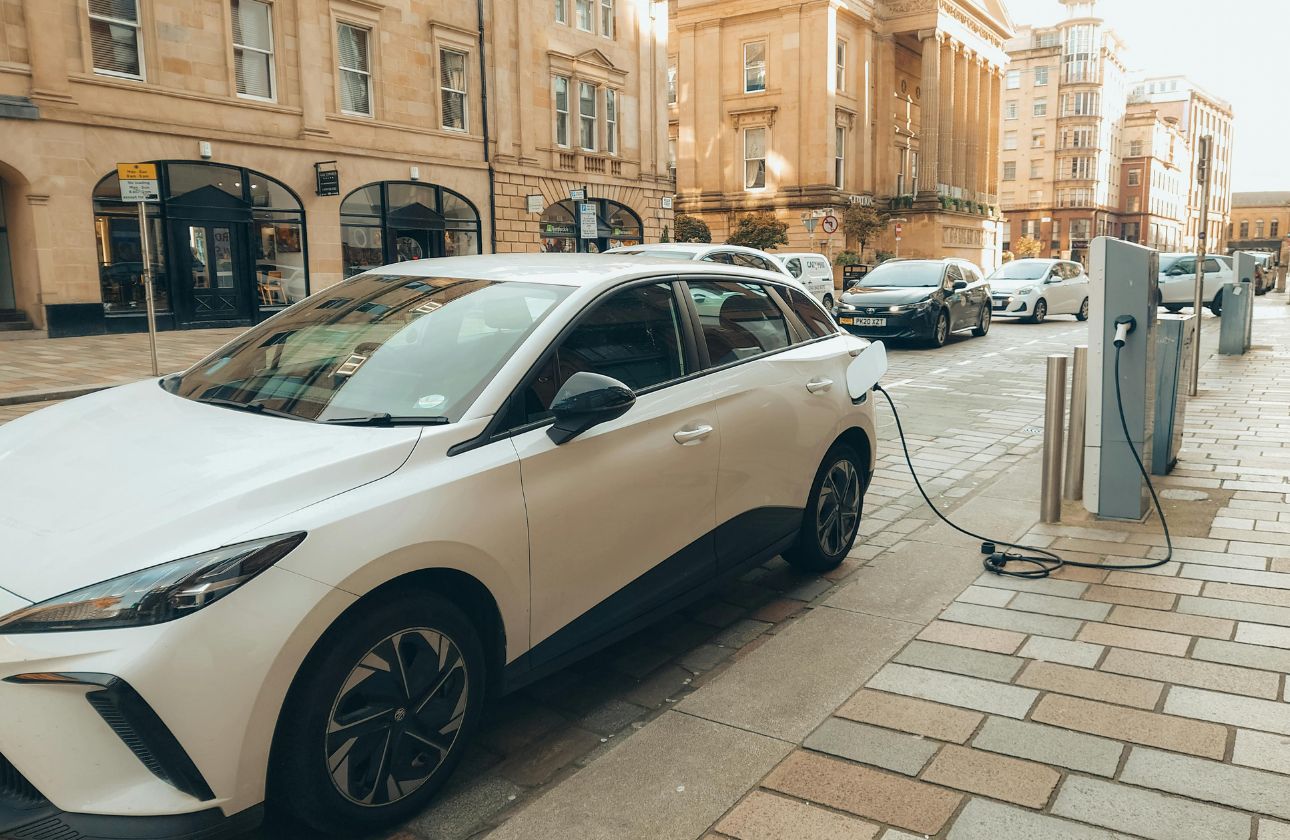
As more consumers adopt electric vehicles, the need for a robust charging infrastructure becomes critical. Governments and private companies are investing heavily in expanding charging networks, including fast-charging stations along highways and in urban areas. This increased access to charging points alleviates range anxiety, making EVs more appealing to potential buyers.

Integration of Renewable Energy

2025 will see a greater integration of renewable energy sources in the charging process for electric vehicles. Many EV manufacturers are collaborating with utility companies to provide options for green energy charging. This not only reduces the carbon footprint of EVs but also promotes the use of solar and wind energy. Many electric vehicle owners may even have the option to charge their vehicles directly from home-installed solar panels.

Smart Technology and Connectivity

Modern electric vehicles are not just about being electric; they are also becoming increasingly connected. The integration of smart technology—such as real-time data analytics, over-the-air software updates, and advanced driver-assistance systems—enhances the driving experience as well as the safety of EVs, making them more attractive to consumers.

Market Competition and Consumer Choice

As traditional automakers ramp up their EV offerings, competition is set to increase significantly in 2025. New entrants and established brands are focusing on various price points and features, providing consumers with a wider array of choices. Price parity between EVs and internal combustion vehicles is also expected, making the transition to electric vehicles more feasible for average consumers.

 The future of electric vehicles looks promising with several trends paving the way for growth in 2025. With advancements in battery technology, the expansion of charging infrastructure, the integration of renewable energy, increased connectivity, and healthy market competition, consumers have much to look forward to in the electric vehicle market. Embracing these changes will not only foster a more sustainable future but also revolutionize the way we think about transportation.

Prev Article
The Adventures of Benny the Brave Bunny
Next Article
Unlocking Your Potential: The Path to Personal Gro...

Related to this topic:

Comments (0)

Leave a Comment