Search

Saved articles

You have not yet added any article to your bookmarks!

Browse articles
Newsletter image

Subscribe to the Newsletter

Join 10k+ people to get notified about new posts, news and tips.

Do not worry we don't spam!

GDPR Compliance

We use cookies to ensure you get the best experience on our website. By continuing to use our site, you accept our use of cookies, Privacy Policy, and Terms of Service.

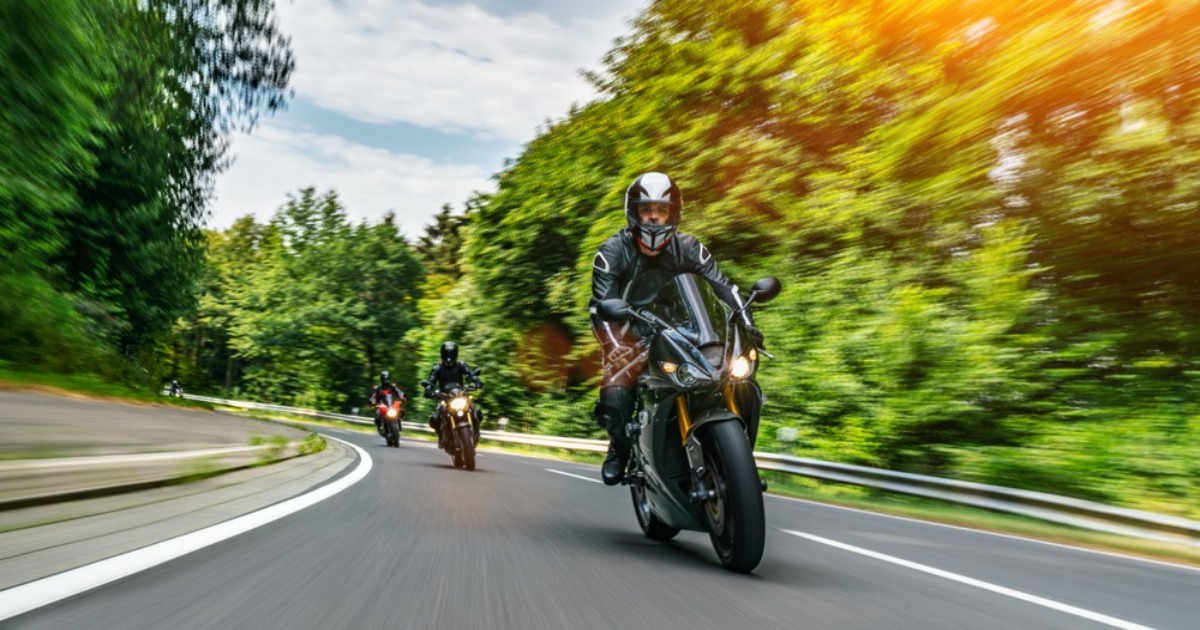
Motorcycle Safety Tips

. Safety Gear:

  • Helmet: Always wear a DOT-approved helmet. Helmets protect your head in the event of a crash and are a legal requirement in many places.

  • Protective Clothing: Invest in proper protective gear, including a motorcycle jacket, pants, gloves, and boots. These items should be made of durable materials, like leather or reinforced textiles, to protect against road rash and impact.

  • Eye Protection: Use a visor or safety glasses to shield your eyes from debris, wind, and insects.

  • Reflective Gear: Wear reflective clothing or accessories to increase your visibility, especially when riding at night or in low-light conditions.

2. Motorcycle Maintenance:

  • Regularly inspect your motorcycle for any mechanical issues or signs of wear. Pay attention to tire condition, brakes, lights, and fluid levels. Address any problems promptly.

  • Keep your bike well-maintained and serviced according to the manufacturer's recommendations.

3. Training:

  • Consider enrolling in a motorcycle safety course. These courses teach essential riding skills, defensive strategies, and emergency maneuvers.

4. Defensive Riding:

  • Always ride defensively. Assume that other drivers may not see you and be prepared to react to sudden changes in traffic.

  • Maintain a safe following distance from other vehicles, and position yourself in a way that maximizes your visibility.

  • Use your turn signals and make sure other drivers know your intentions.

5. Road Conditions:

  • Be cautious when riding in adverse weather conditions, such as rain or fog. Reduced visibility and slippery roads can increase the risk of accidents.

  • Be especially careful when navigating curves, intersections, and areas with loose gravel or debris.

6. Avoid Distractions:

  • Never use your mobile phone or engage in other distractions while riding.

7. Speed Limits:

  • Adhere to speed limits and adjust your speed based on road and traffic conditions.

8. Intersections:

  • Exercise extra caution when approaching intersections, as many motorcycle accidents occur in these areas.

9. Anti-lock Braking Systems (ABS):

  • Consider purchasing a motorcycle with ABS, which can significantly improve braking performance and stability in emergency stops.

10. Group Riding:

  • If riding in a group, maintain safe distances between bikes and use hand signals to communicate with fellow riders.

11. Defensive Riding Strategies:

  • Keep your bike visible by using headlights and reflective gear, even during the day.

  • Watch for vehicles making left turns in front of you. These are common causes of accidents.

  • Avoid riding in a car's blind spots.

  • Stay alert to road conditions and watch for hazards like potholes, gravel, and wet leaves.

12. First Aid Kit:

  • Carry a basic first-aid kit with you in case of minor injuries.

13. Emergency Contacts:

  • Always carry your identification, insurance, and emergency contact information with you.

14. Insurance:

  • Ensure you have proper motorcycle insurance coverage, which can provide financial protection in the event of an accident.

By following these safety tips and adopting a defensive riding mindset, you can significantly reduce the risk of accidents and injuries while enjoying the freedom of riding a motorcycle. Motorcycle safety is not only a personal responsibility but also a critical aspect of sharing the road safely with other motorists.

Prev Article
Car Modification and Customization
Next Article
Entrepreneurship and Starting a Business

Related to this topic:

Comments (0)

Leave a Comment