Search

Saved articles

You have not yet added any article to your bookmarks!

Browse articles
Newsletter image

Subscribe to the Newsletter

Join 10k+ people to get notified about new posts, news and tips.

Do not worry we don't spam!

GDPR Compliance

We use cookies to ensure you get the best experience on our website. By continuing to use our site, you accept our use of cookies, Privacy Policy, and Terms of Service.

Innovation in Renewable Energy

1. Solar Power:

Advancements:

  1. Solar Photovoltaic (PV) Technology:

    • Thin-Film Solar Cells: Advances in thin-film solar cells have made solar panels more flexible and lightweight, expanding their applications.
    • Perovskite Solar Cells: Perovskite-based solar cells have shown promise for high efficiency and lower manufacturing costs.
  2. Energy Storage Solutions:

    • Battery Technologies: Improved energy storage technologies, including lithium-ion batteries, enable efficient storage of solar energy for use during periods of low sunlight.
  3. Solar Tracking Systems:

    • Dual-Axis Tracking: Dual-axis tracking systems enhance solar panel efficiency by continuously adjusting the angle and direction to face the sun, maximizing energy capture.

Impact on Energy Sustainability:

  1. Increased Efficiency:

    • Advances in solar technology have significantly increased the efficiency of solar panels, making them more viable for widespread adoption.
  2. Cost Reduction:

    • Innovations have led to reduced manufacturing costs, making solar power more economically competitive with traditional energy sources.
  3. Grid Independence:

    • Improved energy storage allows solar-powered systems to operate independently of the grid, providing a reliable and sustainable energy source.

2. Wind Power:

Advancements:

  1. Turbine Technology:

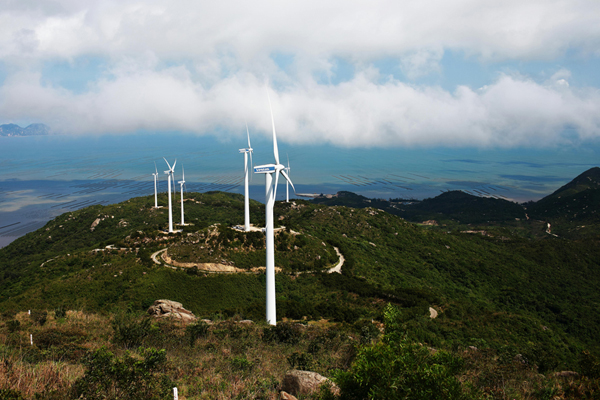
    • Offshore Wind Farms: The development of offshore wind farms takes advantage of stronger and more consistent wind patterns, increasing energy production.
    • Tall Wind Turbines: Taller turbines capture higher wind speeds at elevated altitudes, increasing overall efficiency.
  2. Smart Grid Integration:

    • Grid-Connected Wind Farms: Advanced grid integration technologies enable seamless incorporation of wind energy into existing power grids.
  3. Energy Storage for Wind Power:

    • Hybrid Systems: Combining wind power with energy storage solutions, such as batteries, enhances the reliability of wind-generated electricity.

Impact on Energy Sustainability:

  1. Scaling Up Capacity:

    • Advancements have led to larger and more efficient wind turbines, significantly increasing the capacity and output of wind farms.
  2. Reduced Environmental Impact:

    • Offshore wind farms have a reduced environmental footprint compared to onshore counterparts, contributing to sustainable energy development.
  3. Grid Stability:

    • Smart grid technologies facilitate the integration of variable wind energy into the grid, maintaining stability and reliability.

3. Hydroelectric Power:

Advancements:

  1. Pumped Storage Hydroelectricity:

    • Advanced Pumped Storage Techniques: Innovations in pumped storage hydroelectricity improve efficiency and provide a means for large-scale energy storage.
  2. Tidal and Wave Energy:

    • Tidal Stream Generators: Harnessing energy from ocean tides using underwater turbines has seen technological advancements.
    • Wave Energy Converters: Devices that capture energy from ocean waves continue to evolve, offering a consistent and renewable energy source.
  3. Fish-Friendly Turbines:

    • Fish-Friendly Hydro Turbines: New turbine designs aim to minimize the impact on aquatic ecosystems, making hydroelectric power more environmentally sustainable.

Impact on Energy Sustainability:

  1. Flexible Energy Storage:

    • Pumped storage hydroelectricity provides a reliable and flexible energy storage solution, supporting grid stability.
  2. Expanded Resource Utilization:

    • Advances in tidal and wave energy technologies tap into additional renewable resources, diversifying the energy mix.
  3. Environmental Conservation:

    • Fish-friendly turbine designs mitigate the environmental impact on aquatic ecosystems, aligning with sustainability goals.

Prev Article
Goal Setting for Different Areas of Life
Next Article
Ethical Considerations in Advertising

Related to this topic:

Comments (0)

Leave a Comment