Search

Saved articles

You have not yet added any article to your bookmarks!

Browse articles
Newsletter image

Subscribe to the Newsletter

Join 10k+ people to get notified about new posts, news and tips.

Do not worry we don't spam!

GDPR Compliance

We use cookies to ensure you get the best experience on our website. By continuing to use our site, you accept our use of cookies, Privacy Policy, and Terms of Service.

Healthy Eating Habits: Tips for a Balanced Diet

Maintaining a balanced diet is crucial for overall health and well-being. Here are practical tips to help you and your family achieve and sustain healthy eating habits

1. Include a Variety of Nutrient-Dense Foods

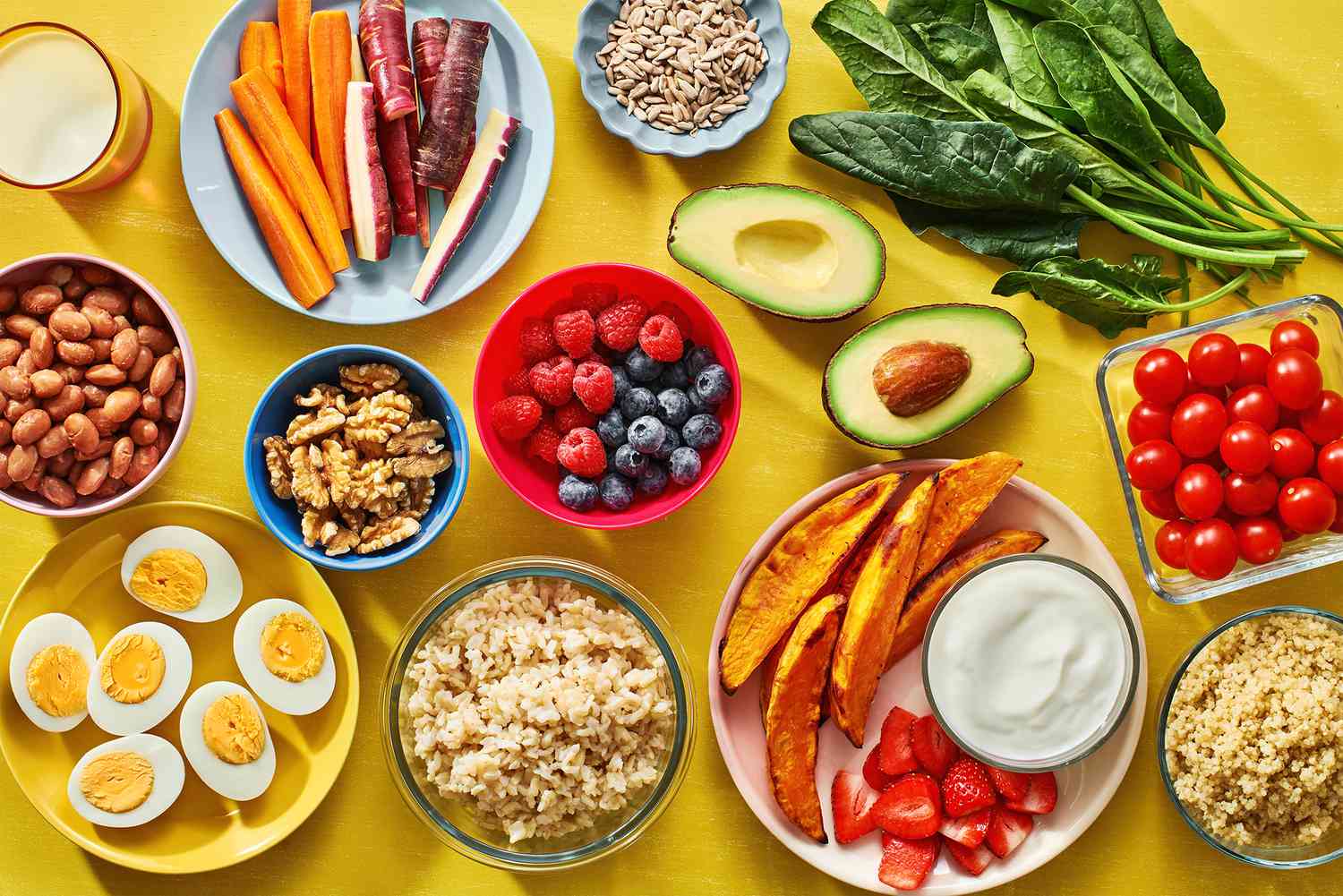
  • Fruits and Vegetables: Aim for a colorful plate with a variety of fruits and vegetables. They provide essential vitamins, minerals, and antioxidants.
  • Whole Grains: Opt for whole grains like brown rice, quinoa, oats, and whole wheat bread over refined grains for fiber and sustained energy.
  • Lean Proteins: Incorporate lean sources of protein such as poultry, fish, beans, legumes, tofu, and nuts to support muscle health and satiety.

2. Portion Control and Moderation

  • Balanced Portions: Use smaller plates and bowls to control portion sizes, and aim to fill half of your plate with vegetables and fruits.
  • Moderate Sweets and Fats: Limit intake of added sugars, saturated fats, and trans fats found in processed foods, desserts, and fried foods.

3. Stay Hydrated with Water

  • Water Intake: Drink plenty of water throughout the day. Water helps regulate body temperature, aids digestion, and supports overall health.
  • Limit Sugary Drinks: Reduce consumption of sugary beverages like soda, energy drinks, and sweetened teas, which can contribute to excess calories and sugar.

4. Plan and Prepare Meals

  • Meal Planning: Plan meals ahead to ensure balanced nutrition and reduce reliance on fast food or takeout.
  • Cook at Home: Prepare meals at home using fresh ingredients to control ingredients and portions.

5. Read and Understand Food Labels

  • Nutritional Information: Pay attention to food labels to make informed choices about the nutrient content and serving sizes of packaged foods.
  • Avoid Processed Foods: Minimize consumption of processed foods high in sodium, added sugars, and unhealthy fats.

6. Practice Mindful Eating

  • Eat Mindfully: Slow down and savor each bite. Pay attention to hunger and fullness cues to prevent overeating.
  • Avoid Distractions: Limit distractions like screens during meals to focus on enjoying your food and recognizing when you're satisfied.

7. Incorporate Healthy Cooking Methods

  • Healthy Cooking Oils: Use heart-healthy oils like olive oil or canola oil for cooking and dressing salads.
  • Grill, Steam, or Bake: Opt for grilling, steaming, or baking instead of frying to reduce added fats and calories.

8. Support Digestive Health

  • Fiber-Rich Foods: Include fiber-rich foods such as whole grains, fruits, vegetables, and legumes to support digestive health and regularity.
  • Probiotic Foods: Incorporate probiotic-rich foods like yogurt, kefir, sauerkraut, and kimchi to promote a healthy gut microbiome.

9. Listen to Your Body

  • Intuitive Eating: Trust your body's hunger and fullness signals. Avoid restrictive diets and aim for a balanced approach to food.
  • Enjoy Treats in Moderation: Allow yourself occasional treats or indulgences while maintaining overall balance in your diet.

10. Stay Informed and Seek Professional Advice

  • Consult a Registered Dietitian: For personalized nutrition advice tailored to your health needs, consult a registered dietitian or nutritionist.
  • Stay Updated: Keep up with credible sources for nutrition information to make informed decisions about your diet and health.


Prev Article
The Left Hand of Darkness
Next Article
Behind the Scenes: The Making of a Successful Come...

Related to this topic:

Comments (0)

Leave a Comment