Search

Saved articles

You have not yet added any article to your bookmarks!

Browse articles
Newsletter image

Subscribe to the Newsletter

Join 10k+ people to get notified about new posts, news and tips.

Do not worry we don't spam!

GDPR Compliance

We use cookies to ensure you get the best experience on our website. By continuing to use our site, you accept our use of cookies, Privacy Policy, and Terms of Service.

Behind the Mic: Unveiling the Art of Podcasting - From Concept to Creation

1. Define Your Podcast Concept:

  • Identify Your Niche: Decide on the topic or niche for your podcast. It could be anything from technology and business to storytelling or true crime.
  • Target Audience: Define your target audience. Understanding who you're creating content for will shape the tone, style, and content of your podcast.

2. Planning and Structure:

  • Episode Format: Determine the format of your episodes. Will it be interviews, solo commentary, panel discussions, or a mix of formats?
  • Episode Length: Consider the ideal length for your episodes. While some podcasts thrive with shorter episodes, others may benefit from longer, in-depth discussions.

3. Craft a Compelling Title and Branding:

  • Title: Create a catchy and descriptive title that reflects the essence of your podcast.
  • Branding: Design eye-catching podcast artwork and establish a consistent brand identity. This is crucial for attracting potential listeners.

4. Choose the Right Equipment:

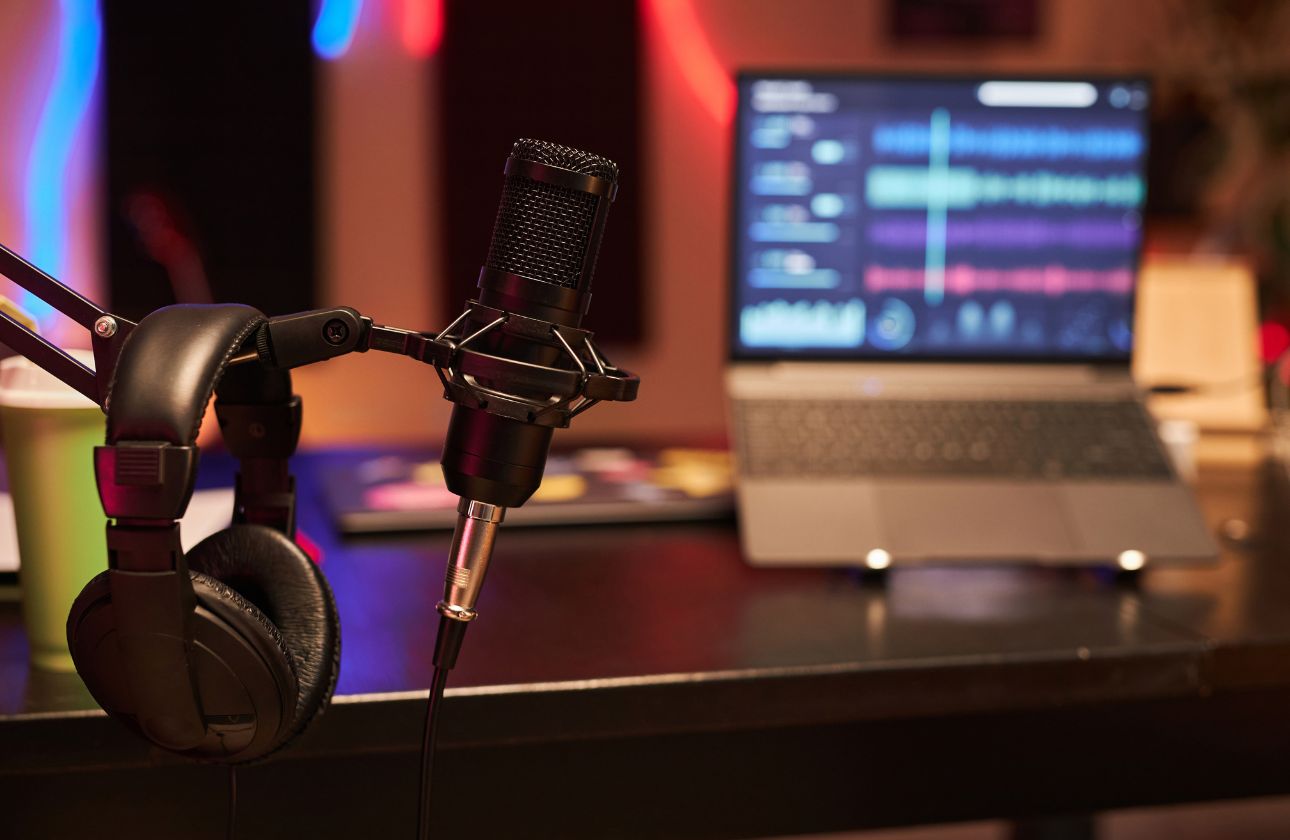
  • Microphone: Invest in a good-quality microphone for clear and professional-sounding audio.
  • Headphones: Use headphones to monitor audio quality during recording and editing.
  • Recording Software: Choose reliable recording software such as Audacity, GarageBand, or professional options like Adobe Audition.

5. Create a Dedicated Recording Space:

  • Soundproofing: Minimize background noise by recording in a quiet environment. Use blankets, foam panels, or rugs to improve acoustics.
  • Comfort: Ensure your recording space is comfortable, as podcasting often involves extended periods of recording.

6. Scripting and Outline:

  • Script: Decide whether you'll script your episodes, follow bullet points, or adopt a more conversational style. Find the balance that suits your podcast's tone.
  • Outline: Create a detailed outline for each episode to ensure a logical flow and keep you on track.

7. Recording and Editing:

  • Recording Techniques: Practice good recording techniques, such as maintaining consistent microphone distance and speaking clearly.
  • Editing Skills: Learn basic editing skills to remove mistakes, add music, and enhance overall audio quality.

8. Select a Podcast Hosting Platform:

  • Hosting Service: Choose a podcast hosting platform like Libsyn, Podbean, or Anchor to host your podcast files.
  • Distribution: Ensure your hosting service distributes your podcast to major platforms like Apple Podcasts, Spotify, Google Podcasts, and others.

9. Publishing Schedule:

  • Consistency: Establish a consistent publishing schedule. Whether it's weekly, bi-weekly, or monthly, consistency helps build an audience.
  • Promotion: Promote upcoming episodes on social media and your website to generate anticipation.

10. Engage with Your Audience:

  • Social Media Presence: Build a social media presence for your podcast. Engage with your audience, share behind-the-scenes content, and encourage listener participation.
  • Feedback: Encourage listeners to provide feedback, ask questions, and suggest topics.

11. Monetization Strategies:

  • Sponsorships: Explore potential sponsorships as your podcast grows.
  • Patreon or Donations: Consider platforms like Patreon for listener support through donations or exclusive content.

12. Continuous Improvement:

  • Feedback Analysis: Analyze listener feedback and adapt your podcast based on constructive criticism.
  • Stay Informed: Keep up with industry trends and updates to continually improve the quality and relevance of your content.

13. Legal Considerations:

  • Music Rights: Ensure you have the right to use any music in your podcast to avoid copyright issues.
  • Privacy: Be mindful of privacy laws, especially if you're conducting interviews or sharing personal stories.

14. Networking and Collaboration:

  • Network: Connect with other podcasters and potential guests in your niche.
  • Collaborate: Collaborate with other podcasters for cross-promotion and expanded reach.

15. Evaluate and Pivot:

  • Analytics: Use podcast analytics to evaluate listener demographics, popular episodes, and areas for improvement.
  • Adaptability: Be willing to pivot and adapt your podcast based on audience preferences and changes in your niche.

Podcasting is a dynamic and evolving medium, and success often comes with dedication, adaptability, and a genuine passion for your chosen topics. By following these steps and staying committed to continuous improvement, you can embark on a rewarding podcasting journey.


Prev Article
Essential Elements of a User-Friendly Website: A G...
Next Article
The Symphony of Shadows

Related to this topic:

Comments (0)

Leave a Comment