
Search

Saved articles

You have not yet added any article to your bookmarks!

Browse articles
Newsletter image

Subscribe to the Newsletter

Join 10k+ people to get notified about new posts, news and tips.

Do not worry we don't spam!

GDPR Compliance

We use cookies to ensure you get the best experience on our website. By continuing to use our site, you accept our use of cookies, Privacy Policy, and Terms of Service.

Youth Sports Development

Importance of Youth Sports Development:

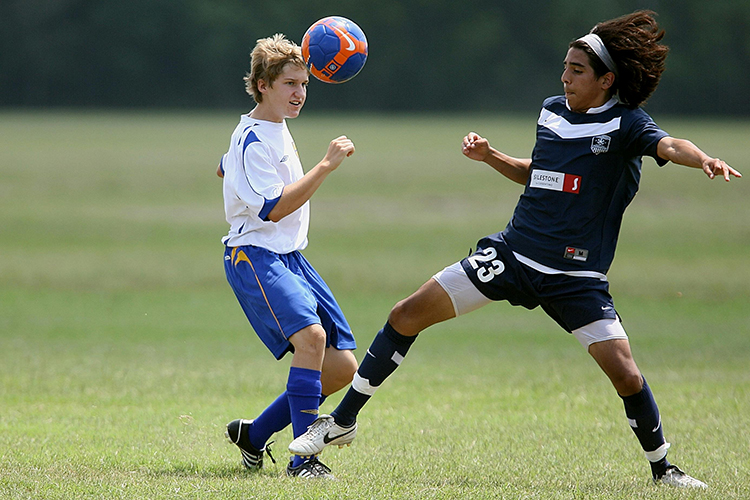
Participation in youth sports offers numerous physical, social, and psychological benefits for children and adolescents. Here are some key aspects highlighting the importance of youth sports development:

  1. Physical Health:

    • Regular physical activity through sports helps maintain a healthy weight, promotes cardiovascular health, and enhances overall physical fitness.
  2. Skill Development:

    • Youth sports provide an opportunity for skill development, including motor skills, coordination, and sport-specific techniques.
  3. Social Skills and Teamwork:

    • Team sports foster collaboration, communication, and teamwork, helping young athletes develop crucial social skills.
  4. Discipline and Goal Setting:

    • In sports, youth learn discipline, time management, and goal-setting – skills that translate into various aspects of life.
  5. Confidence and Self-Esteem:

    • Success and improvement in sports contribute to increased self-esteem and confidence, positively impacting a child's self-image.
  6. Sportsmanship and Character Building:

    • Youth sports teach values like sportsmanship, fair play, and respect for opponents, laying the foundation for strong character.
  7. Stress Relief and Mental Health:

    • Physical activity in sports serves as a stress reliever, and the social aspect of team sports can positively impact mental health.

Resources for Parents, Coaches, and Young Athletes:

For Parents:

  1. National Alliance for Youth Sports (NAYS):

    • Website: NAYS
    • NAYS offers resources for parents, including articles on sports parenting, positive coaching techniques, and information on various youth sports programs.
  2. Positive Coaching Alliance (PCA):

    • Website: Positive Coaching Alliance
    • PCA provides resources to help parents support their young athletes, emphasizing positive coaching methods and fostering a positive sports culture.
  3. American Academy of Pediatrics (AAP):

    • Website: AAP HealthyChildren.org
    • AAP's HealthyChildren.org has a section on sports safety, guidance on choosing the right sport, and advice for parents on supporting young athletes.

For Coaches:

  1. Coaching Association of Canada:

    • Website: Coaching Association of Canada
    • This resource provides coach education and training programs, ensuring coaches have the necessary skills to guide young athletes.
  2. USA Football:

    • Website: USA Football
    • USA Football offers coaching resources, including certifications and educational materials focusing on the development of young football players.
  3. Positive Coaching Alliance (PCA) for Coaches:

    • Website: PCA for Coaches
    • PCA offers a blog with articles, tools, and insights specifically designed for coaches seeking to create a positive and supportive sports environment.

For Young Athletes:

  1. KidsHealth - Sports and Exercise Safety:

    • Website: KidsHealth
    • KidsHealth provides information for young athletes on sports safety, nutrition, and tips for staying healthy while participating in sports.
  2. The National Institute for Fitness and Sport (NIFS) - Youth Fitness Programs:

    • Website: NIFS Youth Programs
    • NIFS offers youth fitness programs designed to develop physical literacy and fundamental movement skills.
  3. Fuel Up to Play 60:

    • Website: Fuel Up to Play 60
    • Supported by the NFL and the National Dairy Council, this program encourages young athletes to make healthy choices and stay active.

Balancing Academics and Sports:

  1. Time Management:

    • Teach young athletes the importance of managing their time effectively to balance both academics and sports commitments.
  2. Prioritization:

    • Help them prioritize tasks, set goals, and understand the significance of both academic and athletic achievements.
  3. Communication:

    • Encourage open communication between coaches, parents, and teachers to ensure everyone is aware of the demands on the young athlete's time.
  4. Support Systems:

    • Foster a supportive environment at home and at school where academics are valued alongside sports accomplishments.
  5. Flexibility:

    • Recognize that there may be times when academic demands take precedence, and sports schedules may need to be adjusted accordingly.

Prev Article
Educational Benefits of Mobile Gaming
Next Article
Navigating Legal and Regulatory Challenges

Related to this topic:

Comments (0)

Leave a Comment