
Search

Saved articles

You have not yet added any article to your bookmarks!

Browse articles
Newsletter image

Subscribe to the Newsletter

Join 10k+ people to get notified about new posts, news and tips.

Do not worry we don't spam!

GDPR Compliance

We use cookies to ensure you get the best experience on our website. By continuing to use our site, you accept our use of cookies, Privacy Policy, and Terms of Service.

The Marvels of Migration

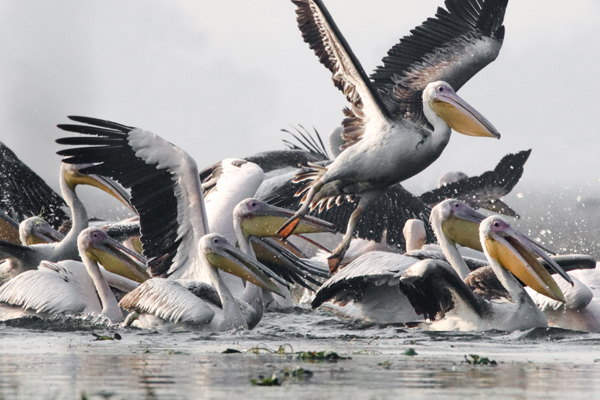
1. Bird Migration:

  • Arctic Terns: Known for having the longest migration route, Arctic Terns travel from the Arctic to the Antarctic and back, covering about 44,000 kilometers (27,000 miles) annually.
  • Bar-headed Geese: These geese fly over the Himalayas, navigating at altitudes of up to 29,000 feet during their migration from Central Asia to India.

Challenges:

  • Habitat Loss: Urbanization and habitat destruction along migration routes threaten the birds' ability to find suitable resting and feeding areas.
  • Climate Change: Alterations in climate patterns affect the availability of food and suitable breeding grounds.

2. Butterfly Migration:

  • Monarch Butterflies: Monarchs undertake an impressive journey from North America to central Mexico, covering thousands of miles. Multiple generations are involved in this migration.
  • Painted Lady Butterflies: Known for their long-distance migration, these butterflies travel from Europe to Africa.

Challenges:

  • Pesticides and Habitat Loss: Agricultural practices and urban development contribute to the destruction of critical habitats and the decline of host plants.
  • Climate Change: Altered weather patterns and temperature changes affect the availability of nectar and disrupt migration cues.

3. Marine Species Migration:

  • Humpback Whales: These majestic creatures migrate long distances between their feeding and breeding grounds, covering thousands of kilometers.
  • Sea Turtles: Various species of sea turtles, such as the loggerhead and leatherback, undertake extensive migrations to lay eggs on specific nesting beaches.

Challenges:

  • Fishing Activities: Collisions with fishing gear, including nets and lines, pose a significant threat to marine species during migration.
  • Pollution: Oil spills and marine pollution affect the health of the oceans and the food sources of migratory species.

4. Terrestrial Mammal Migration:

  • Wildebeest Migration: The annual migration of wildebeest and other herbivores in the Serengeti and Masai Mara is one of the most iconic wildlife spectacles.
  • Caribou Migration: Caribou in North America undertake long migrations, moving between their calving grounds and wintering areas.

Challenges:

  • Habitat Fragmentation: Human infrastructure, such as roads and fences, disrupts traditional migration routes and can lead to wildlife-vehicle collisions.
  • Overgrazing: In some cases, large migrations can put pressure on local vegetation, leading to overgrazing and habitat degradation.

5. Insect Migration:

  • Dragonflies: Certain dragonfly species undertake long-distance migrations, traveling thousands of kilometers in search of suitable breeding sites.
  • Aphid Migration: Aphids migrate to find suitable host plants, often traveling great distances in search of optimal conditions.

Challenges:

  • Pesticides: Insecticides and pesticides can harm migratory insect populations and disrupt their reproductive cycles.
  • Loss of Breeding Sites: Urbanization and changes in land use can eliminate or alter the availability of suitable breeding habitats.

Prev Article
A Guide to Sustainable Travel
Next Article
Cocktail and Mocktail Recipes

Related to this topic:

Comments (0)

Leave a Comment