
Search

Saved articles

You have not yet added any article to your bookmarks!

Browse articles
Newsletter image

Subscribe to the Newsletter

Join 10k+ people to get notified about new posts, news and tips.

Do not worry we don't spam!

GDPR Compliance

We use cookies to ensure you get the best experience on our website. By continuing to use our site, you accept our use of cookies, Privacy Policy, and Terms of Service.

Men’s heart health tips

  1. Regular Exercise: Aim for at least 150 minutes of moderate-intensity aerobic exercise or 75 minutes of vigorous-intensity aerobic exercise per week. Regular physical activity helps improve cardiovascular health.

  2. Balanced Diet: Consume a heart-healthy diet that's rich in fruits, vegetables, whole grains, lean proteins, and healthy fats. Limit saturated and trans fats, cholesterol, sodium, and added sugars.

  3. Maintain a Healthy Weight: Excess weight, particularly around the abdomen, is a risk factor for heart disease. Losing weight through a balanced diet and regular exercise can improve heart health.

  4. Stop Smoking: Smoking is a significant risk factor for heart disease. If you smoke, seek help to quit. Smoking cessation can lead to significant improvements in heart health.

  5. Limit Alcohol: If you consume alcohol, do so in moderation. Limit your alcohol intake to no more than two drinks per day for men.

  6. Manage Stress: Chronic stress can impact heart health. Practice stress management techniques such as mindfulness, yoga, meditation, or hobbies that help you relax.

  7. Regular Health Check-Ups: Visit your healthcare provider regularly for check-ups and screenings. They can help you monitor your blood pressure, cholesterol levels, and other heart health indicators.

  8. Know Your Numbers: Understand your blood pressure, cholesterol levels, and blood sugar. Keep these numbers in check and follow your doctor's recommendations.

  9. Manage Chronic Conditions: If you have conditions like hypertension, diabetes, or high cholesterol, work with your healthcare provider to manage them effectively.

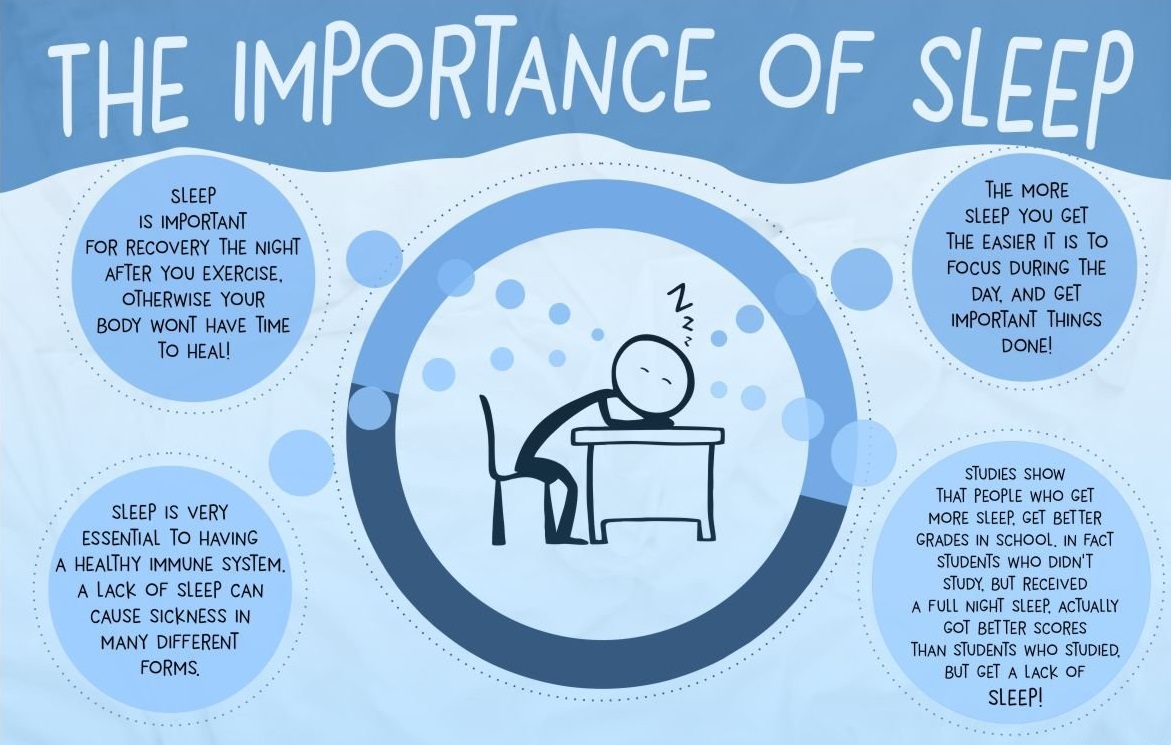
  10. Adequate Sleep: Aim for 7-9 hours of quality sleep per night. Poor sleep can contribute to heart problems.

  11. Stay Hydrated: Drink plenty of water to help maintain healthy blood viscosity and circulation.

  12. Regular Screening for Heart Disease: If you have a family history of heart disease or other risk factors, talk to your doctor about when you should have screenings like an electrocardiogram (ECG) or stress test.

  13. Stay Active: In addition to structured exercise, try to incorporate more physical activity into your daily routine, such as taking the stairs, walking, or biking.

  14. Limit Processed Foods: Processed foods often contain excessive sodium and unhealthy fats. Limit your consumption of processed and fast foods.

  15. Socialize: Maintain a strong social network. Engaging with friends and family can provide emotional support and reduce stress.

  16. Be Mindful of Salt Intake: Excessive salt consumption can contribute to high blood pressure. Read food labels and limit high-sodium foods.

  17. Limit Red Meat: Red meat can be high in saturated fat. Choose lean cuts and consider plant-based protein sources.

Remember that heart health is a lifelong commitment. Making these heart-healthy choices part of your daily routine can significantly reduce your risk of heart disease and lead to a longer and healthier life. If you have specific health concerns or risk factors, consult with a healthcare provider for personalized guidance and recommendations.

Prev Article
How Important is Sleep?
Next Article
Whooping Cough

Related to this topic:

Comments (0)

Leave a Comment