1. The Challenge of Multi-Platform Development:
a. Developing separate apps for different platforms (iOS, Android, web, etc.) is time-consuming and costly.
b. Maintaining consistency in user experience and features across platforms can be challenging.
2. The Rise of Cross-Platform Development:
a. Cross-platform development addresses these challenges by allowing developers to write code once and deploy it across multiple platforms.
b. It streamlines the development process, reduces costs, and accelerates time-to-market.
3. Key Players in Cross-Platform Development:
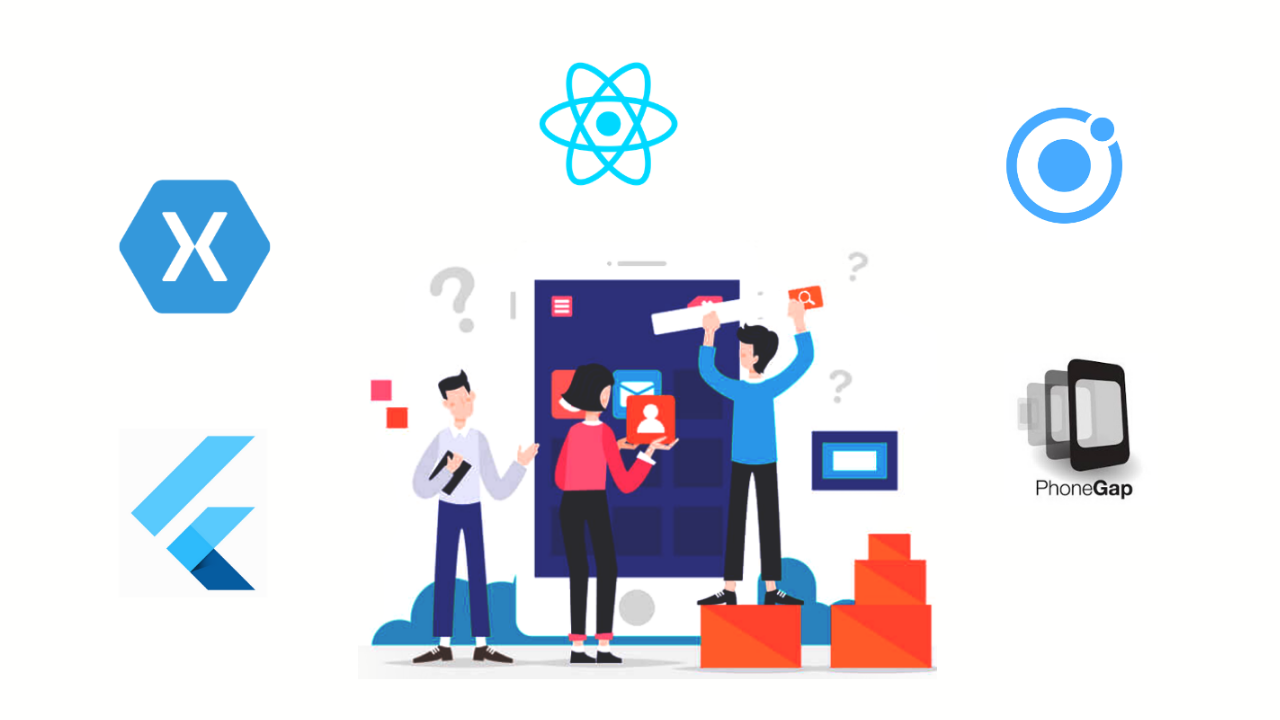
a. Flutter: Developed by Google, Flutter is an open-source UI framework for building natively compiled applications for mobile, web, and desktop from a single codebase. It uses the Dart programming language.
b. React Native: Created by Facebook, React Native is a popular JavaScript framework for building mobile applications for iOS and Android. It allows developers to use React, a popular JavaScript library for building user interfaces, to create native-like apps.
4. Advantages of Cross-Platform Development with Flutter and React Native:
a. Code Reusability: Developers can reuse a significant portion of the code across different platforms, reducing development efforts.
b. Native-Like Performance: Both Flutter and React Native provide native-like performance by compiling to native code, resulting in smooth and responsive apps.
c. Rich Ecosystem: These frameworks offer extensive libraries and packages that simplify app development and expand functionality.
d. Hot Reloading: Both Flutter and React Native support hot reloading, enabling real-time code changes and rapid iterations during development.
e. Community and Support: Both frameworks have active communities, offering support, tutorials, and resources.
f. UI Consistency: Flutter provides a consistent UI experience across platforms with its highly customizable and widget-based architecture. React Native offers native modules for platform-specific functionality.
g. Cost Efficiency: Building and maintaining a single codebase for multiple platforms is cost-effective and efficient.
5. Use Cases:
a. Flutter: Widely used for creating mobile applications and web apps. It's favored for its flexibility in designing custom UI.
b. React Native: Ideal for developing mobile applications for iOS and Android. It's known for its strong performance and extensive library support.
6. Challenges:
a. Access to Native Features: Although these frameworks provide access to most native features, there may be cases where direct platform-specific code is required.
b. Larger App Size: Apps built with these frameworks may have slightly larger file sizes due to the inclusion of the framework itself.
7. The Future of Cross-Platform Development:
a. The adoption of cross-platform development is expected to increase as more organizations recognize its cost-efficiency and reach advantages.
b. Continuous updates and improvements to frameworks like Flutter and React Native will further enhance their capabilities and make cross-platform development more accessible.
8. Conclusion:
a. Cross-platform development using frameworks like Flutter and React Native has transformed the app development landscape, enabling developers to efficiently create high-performance apps for multiple platforms. As these frameworks continue to evolve, they are likely to play an even more significant role in the future of app development.
Prev Article
Web Accessibility: Why It Matters and How to Creat...
Next Article
Understanding the Importance of Promotion













Leave a Comment