
Search

Saved articles

You have not yet added any article to your bookmarks!

Browse articles
Newsletter image

Subscribe to the Newsletter

Join 10k+ people to get notified about new posts, news and tips.

Do not worry we don't spam!

GDPR Compliance

We use cookies to ensure you get the best experience on our website. By continuing to use our site, you accept our use of cookies, Privacy Policy, and Terms of Service.

Choosing the Right Podcast Format: Interviews, Solo, or Panel Discussions

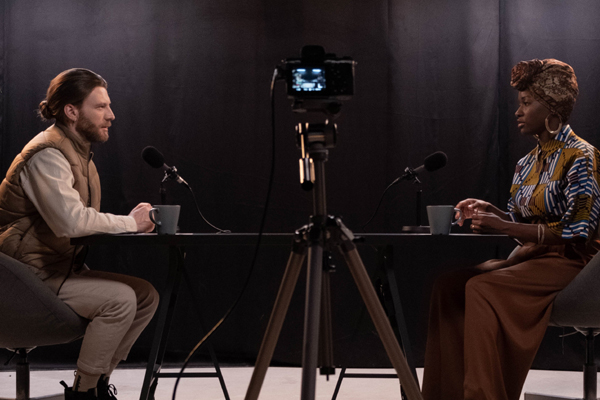
1. Interviews:

Pros:

  • Diverse Perspectives: Interviews bring a variety of voices and expertise to your podcast, enhancing the richness of your content.
  • Networking Opportunities: Connecting with guests expands your network, potentially attracting new audiences.
  • Engagement: Listeners often enjoy hearing conversations between the host and guests, adding an interactive element.

Cons:

  • Dependency on Guests: Scheduling and coordinating with guests can be challenging, and cancellations may disrupt your content calendar.
  • Research Time: Proper research is crucial to conduct insightful interviews, demanding additional preparation time.
  • Limited Host Presence: In heavily guest-dependent formats, the host's personality may take a back seat.

2. Solo Episodes:

Pros:

  • Complete Creative Control: Solo episodes allow the host to fully control the narrative, pacing, and content direction.
  • Consistency: Easier to produce consistently, as it doesn't rely on external schedules.
  • Building Host Identity: Ideal for hosts looking to establish a strong personal brand and connect with the audience.

Cons:

  • Lack of Diversity: The absence of guest perspectives may limit the range of topics and viewpoints.
  • Potential for Monotony: Continuous solo episodes might risk monotony without the dynamic interaction of multiple voices.
  • Skill Requirement: Hosting a compelling solo podcast requires strong storytelling and engaging delivery skills.

3. Panel Discussions:

Pros:

  • Diverse Perspectives: Similar to interviews, panels bring diverse viewpoints, fostering engaging discussions.
  • Dynamic Conversations: Multiple hosts or participants can create lively, dynamic conversations.
  • Expertise Showcase: Panels allow hosts and participants to showcase their expertise collaboratively.

Cons:

  • Coordination Challenges: Scheduling multiple participants can be challenging, leading to potential logistical issues.
  • Unequal Participation: Balancing contributions from panelists may be challenging, with some members dominating the conversation.
  • Complex Editing: Editing discussions with multiple participants can be time-consuming and may impact the natural flow.

Choosing the Right Format:

  1. Content Goals:

    • Consideration: Define your podcast's primary goals and the type of content you aim to deliver.
    • Strategy: If your goal is expert insights, interviews or panel discussions might be suitable. For personal connection and storytelling, solo episodes may be more effective.
  2. Target Audience:

    • Consideration: Understand your target audience's preferences and expectations.
    • Strategy: If your audience values diverse perspectives, interviews or panel discussions might be preferable. For a more personal connection, solo episodes may resonate better.
  3. Creator's Strengths:

    • Consideration: Assess your strengths as a podcast creator, whether in conducting interviews, storytelling, or facilitating discussions.
    • Strategy: Leverage your strengths to choose a format that aligns with your natural abilities and style.
  4. Content Variety:

    • Consideration: Evaluate the variety of topics you plan to cover in your podcast.
    • Strategy: A mix of formats can add variety to your content. Consider incorporating different formats based on the subject matter.

Prev Article
Health and Wellness Apps for Mindfulness and Menta...
Next Article
The Art of Short Story Endings: Crafting Satisfyin...

Related to this topic:

Comments (0)

Leave a Comment